
That's Not My Mom
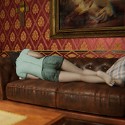












That's Not My Mom is a doppelganger horror experience in which the person at home might not be who she seems. Your task is to figure out whether the woman in front of you is really your mother or something wearing her face.
The Premise of That's Not My Mom
Something has been copying people in town, and now it may have reached your family. Your mother acts almost normally, but small details feel off.
You must watch, listen and compare. Her appearance, her words and her behavior all give clues about whether she is the real person.
Making the wrong call is dangerous. Trusting a copy or rejecting the real mother can both lead to bad outcomes.
Spotting the Differences in That's Not My Mom
The core gameplay is observation. You look for mismatches in clothing, face details, voice and habits, comparing what you see with what you know.
Some differences are obvious, while others are tiny and easy to miss. The game rewards patience and attention to detail.
As the game goes on, the copies become better at hiding. Later encounters test everything you have learned about spotting the fakes.
Fear of the Familiar
The scariest thing about the game is that the threat looks like someone you trust. A parent is supposed to be the safest person in the world.
That idea taps into a very old fear. Stories about changelings and impostors have existed for centuries, and this game brings them into a modern home.
The atmosphere is quiet and tense. Long pauses and small gestures make every conversation feel like a test.
Why Suzy Says! Fans Should Try It
In Suzy Says!, Mom is away and a voice on the television takes her place. This game imagines what happens when something takes her place in person.
Both games also ask you to judge carefully before acting. One wrong move, whether obeying a bare command or trusting a fake, leads to disaster.
For more door-and-impostor games, check our rule-based horror games collection. It includes some of the best-known titles in the genre.
Clues to Watch For
Appearance is the first layer. Hair, clothes, jewelry and small marks on the face can all change between the real mother and a copy, sometimes in very subtle ways.
Behavior is the second layer. A copy might use the wrong words, forget a family habit or react strangely to a familiar question. Listening carefully is as important as looking.
The house itself can help too. Objects that move, doors left open and sounds from other rooms sometimes reveal that something is not right before the conversation does.
Tips for Detectives
Memorize the real version first. Knowing exactly how she should look and act makes the fakes easier to catch.
Check more than one detail. A single difference might be a trick, but several together are a strong sign.
Take your time. Rushing a decision is the most common way to get it wrong.
A Growing Genre
Doppelganger games have become hugely popular, with many titles asking players to check visitors at doors or desks. This one brings the idea inside the family home.
Its focus on a single, personal relationship makes it feel more intimate than many similar games.
That's Not My Mom turns everyday trust into a source of fear. Look closely, trust your instincts and decide who really belongs at home.