
Survival Horror Games





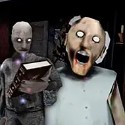



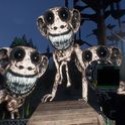
Survival Horror Games are about lasting long enough to see the morning. You manage limited light, food, ammo or time, push into places that feel wrong and make tough calls about what to risk. This shelf gathers titles where every night, every room and every resource counts, from haunted forests to endless yellow corridors.
Resources, Time and Pressure
The heart of the genre is scarcity. A flashlight with weak batteries, a handful of bullets, a fire that needs wood, a timer counting down to dawn: Survival Horror Games make you weigh every action against what it costs. Spending too much early leaves you helpless later, while hoarding too long can get you caught with full pockets.
That balance turns simple tasks in Survival Horror Games into decisions. Do you search one more room for supplies or head back to safety? Do you fight, hide or run? The answers change with every run, which is why these titles reward replaying.
Pressure also comes from the environment itself. Darkness, fog and confusing layouts all make the world feel bigger and more dangerous than it is.
Settings That Keep You on Edge
- Dark forests where the campfire is the only safe spot, as in 99 Nights in the Forest.
- Liminal spaces with buzzing lights and no exits, as in Backrooms Primal.
- Remote research stations where signals and strangers arrive at night, as in Voices of the Void.
- Sealed labs where even moving is a struggle, as in Endoparasitic.
- Haunted hotels you must escape before the clock runs out, as in Hotel 626.
Each setting shapes the gameplay. A forest asks you to manage fuel, a lab asks you to manage health and a hotel asks you to manage time.
Survival Horror Games for Solo and Group Play
Some titles on the shelf are lonely by design, leaving you with only your own judgment. Others are built for groups, where friends split tasks, share resources and try to keep each other alive. Multiplayer versions often feel less frightening and more frantic, but losing a teammate still stings.
If you play with others, talk about roles before you start. One person scouting, one gathering and one guarding the base is a simple setup that works in many Survival Horror Games.
Solo players should focus on routes. Knowing the way back to safety is worth more than any single item.
A Small Dose of Survival in Suzy Says!
Suzy Says! is not a classic survival title, but it borrows the feeling. The candle hunt at the end asks you to collect four candles across the house while the clock keeps moving, and a death in that section sends you back to its start. Planning a route and carrying each candle home right away is the safest approach.
Endless Mode adds a different kind of endurance, where you survive an ongoing stream of commands and mistakes pile up as marks on the screen. Our Endless Mode guide covers how to last longer.
Both modes show how even a short game can test your staying power, and they make a fun warm-up before longer Survival Horror Games.
What Separates Survival Horror Games From Action
At first glance, Survival Horror Games and action shooters can look similar: both have threats, weapons and health bars. The difference is in how power feels. In action, you get stronger until enemies are easy. In Survival Horror Games, you stay fragile, and even the end of the game can leave you one mistake away from losing everything.
That fragility changes how you play. You avoid fights you could win because winning costs too much, you hide instead of shooting and you treat every resource as precious. The tension never fully goes away, which is the whole point of the genre.
Many modern Survival Horror Games also add light management and crafting, building a fire, upgrading a base, cooking food. These systems give calm moments between scares and make the world feel lived in, but they also remind you that the next night is always coming. A good game in this genre makes even its quiet moments feel temporary.
Habits That Help Everywhere
Experienced players share a few rules. Learn the map before taking risks, keep an emergency resource in reserve and never enter a dark area without knowing the way out. These sound simple, but they save more runs than any upgrade.
Patience matters as much as planning. Survival Horror Games often punish rushing, especially in the late stages when threats are stronger and resources are thinner.
Finally, learn from each failure. Every death shows a weak point in your route or your timing, and the next attempt is almost always better.
Choosing Your Next Night
Want a long challenge with friends? Choose the forest. Want slow, eerie isolation? Pick the research station or the empty corridors. Want a short, sharp escape? The hotel is waiting.
Each game on this shelf has its own guide page on SuzySaysGames, with its threats and goals explained, so you can pick the kind of night you want to survive.