
Psychological Horror Games






Psychological Horror Games scare you through your own head. Instead of a monster around the corner, they use unreliable narrators, strange rules, guilt and slowly shifting reality to make you doubt what you see. This shelf collects stories that stay with you long after the screen goes dark.
Fear That Lives in the Mind
Classic horror asks you to run from something. Psychological Horror Games ask you to question something: a memory, a friend, a voice that gives instructions or even your own choices. The threat is often invisible for long stretches, and the tension comes from not knowing which version of events is true.
That makes Psychological Horror Games feel personal. Two players can finish the same story and walk away with different readings of it, which is why these titles spark so many theories and long discussion threads.
It also means jumpscares are rarely the main tool. When they appear, they mark a turning point rather than a routine scare.
Common Threads Across the Shelf
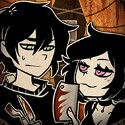
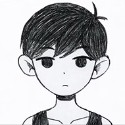
- Unreliable worlds. Dream spaces and false memories, as in Omori, where Headspace hides what happened in the real world.
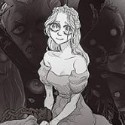
- A voice you should not trust. A narrator, a host or a partner who keeps giving orders, like the Narrator of Slay the Princess.
- Choices with weight. Decisions that change the ending and leave you wondering if you chose right.
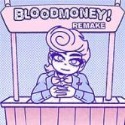
- Ordinary places turned wrong. A bedroom, an apartment or a restaurant that slowly stops feeling safe, as in Dead Plate.
- Dependence and control. Characters who need the player too much, as in Needy Girl Overdose.
Most Psychological Horror Games use two or three of these at once. Spotting them early helps you read the clues the story leaves behind.
How Suzy Plays With Your Head
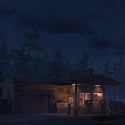
Suzy Says! is short, but it belongs here because its scariest tool is a habit. Suzy trains you to obey her lines without thinking, then punishes you for doing exactly that. By the end, the cheerful DVD has taught you to doubt every sentence you hear.
The story builds on the same idea. A drawing on the fridge gains a figure it never had, a call from Mom is cut off and the final command asks for one last act of trust. The story and theories page breaks down what each detail might mean.
That focus on obedience makes it a good entry point for players new to Psychological Horror Games, and a short story to replay once you know the ending.
Endings Worth Talking About
Multiple endings are almost standard in Psychological Horror Games. A single decision, made early, can lead to a peaceful finale or a devastating one. Many titles also hide a secret or true ending that recontextualizes everything before it.
Because of this, a first run of these games is often just the beginning. Players finish, read about the other routes and come back to see what they missed, which keeps these stories alive in communities for years.
Some fans prefer to avoid guides until they have found at least two endings on their own. It is a good rule, since discovering a twist yourself is half the experience.
Reading the Clues Like a Detective
Good Psychological Horror Games hide their real story in small details. A photo that changes between visits, a line of dialogue that contradicts an earlier one, a room that is slightly bigger than it should be: each of these is a hint. Players who keep notes or simply pay attention to repeats get much more out of each game.
Many titles also play with the interface itself. Menus that glitch, save files that seem to remember things and narrators who comment on your actions all blur the line between the game and the person playing it. Psychological Horror Games love this trick because it makes the fear feel like it is happening to you, not to a character.
Community wikis and theory threads are part of the fun here. After a first run, comparing notes with other players often reveals a second layer you missed, and some of the most famous Psychological Horror Games are still being decoded years after release.
Content to Keep in Mind
Psychological Horror Games often touch on heavy themes: isolation, grief, obsession, unhealthy relationships. They handle them in different ways, from gentle and hopeful to bleak. Check the guide page for each title before starting, especially if you are sensitive to a particular subject.
Playing in short sessions helps too. Unlike action games, these stories reward breaks, because thinking over what happened between chapters is part of the experience.
And if a story gets too heavy, it is fine to step away. The best of the genre will still be there tomorrow.
Where to Start
New to the genre? Begin with a short game that has a clear rule, then move to a longer one with branching endings. Story fans should try the dream world first, while people who love dialogue will enjoy the cabin with the Princess.
Every story on this shelf has a full guide on SuzySaysGames, with the main characters and themes named, so you can pick the kind of unease that suits your evening.