Rule-Based Horror Games



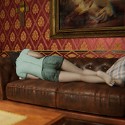

Rule-Based Horror Games hand you a set of instructions and dare you to follow them perfectly. Check every document, open the door only for the right visitor, move only when the host says her name. The fear comes from knowing that one slip, one rule you forgot, is all it takes for things to go wrong.
Why Rules Are So Frightening
Rules create a contract between you and the game. As long as you follow them, you should be safe. Rule-Based Horror Games build tension by making that contract hard to keep: the list grows longer, the clock runs faster and the exceptions pile up until you start doubting your own memory.
There is also a quieter fear underneath. Who wrote these rules, and why? Many titles slowly reveal that the instructions themselves are part of the threat, and that obeying them perfectly may not be the safe option after all.
That twist is what separates this shelf from simple puzzle games. Here, the rulebook can be a trap.
Types of Rules You Will Follow
- Paperwork rules: compare names, dates and stamps at a border checkpoint, as in Papers, Please.
- Door rules: decide who gets inside based on a list of warning signs, as in That's Not My Neighbor and No, I'm Not a Human.
- Behavior rules: never look at a certain thing, never do a certain action, as in Do Not Look at The Sun.
- Spoken rules: obey only lines that start correctly, the heart of Suzy Says!.
- Hidden rules: instructions you have to work out from clues and scraps of lore.
Most Rule-Based Horror Games mix two of these types, which keeps your attention split.
Suzy's Single Rule
Suzy Says! may have the shortest rulebook on the shelf: act only when the line begins with "Suzy says". The simplicity is deceptive. Suzy repeats real commands until your hands react on their own, then slips in a bare one to catch you, and later rounds mix colors, rooms and look commands at a faster pace.
The commands cheat sheet lists every line she uses, which is a good companion if you want to study the pattern before a run.
It is a perfect first step into Rule-Based Horror Games, because it teaches the core skill in under twenty minutes.
Skills That Carry Between Titles
Players who do well across the shelf share a few habits. They read every instruction fully before acting, they slow down when the pressure rises and they never assume that a familiar situation follows the same rules as last time.
Note-taking helps too. Rule-Based Horror Games often add one new condition per day or per round, and a quick list on paper beats trying to hold everything in your head.
Finally, accept a few failures. Each mistake teaches you which rule you were weakest at, and the second attempt is usually much cleaner.
When Rules Change the Ending
In many of these titles, how well you followed the rules decides the ending. Letting the wrong visitor in, stamping the wrong passport or obeying the wrong command can send the story down a darker path, sometimes without warning.
Some Rule-Based Horror Games also hide endings that only appear when you break the rules on purpose. Suzy Says! is one of them: its secret ending asks you to stop playing her game entirely, which is explained on our secret ending guide.
That makes replays rewarding. Once you know the rules, the fun becomes testing what happens when you bend them.
Rule-Based Horror Games and the Fear of Doing Your Job
A surprising number of titles on this shelf cast you as an ordinary worker. You are a border inspector, a doorman, a night guard, a person house-sitting for a stranger. Rule-Based Horror Games use these jobs because jobs come with instructions, and instructions come with the quiet fear of getting fired, or worse, for one mistake.
The routine is part of the horror. The first day feels like a simple shift with a checklist, and you settle into a rhythm. Then the checklist grows, the visitors get stranger and the rhythm you built becomes the thing that betrays you. That slow tightening is why so many players describe Rule-Based Horror Games as stressful in a way that pure chases never are.
It also makes these games easy to pick up. You understand the job in a minute, and every new rule feels like a natural step rather than a tutorial. Short shifts make it easy to try one more day before bed, which is exactly how most players end up finishing Rule-Based Horror Games in a single night.
Who Will Enjoy the Shelf
People who like logic puzzles, detective stories or careful management will feel at home here. These games reward attention more than reflexes, so they are a good fit for anyone who dislikes long chases.
They are less suited to players who want constant action. Much of the time is spent reading, listening and deciding, with the scare arriving only when you get something wrong.
Every title on this shelf has its own guide on SuzySaysGames with the main rules and threats named, so you can choose which rulebook to open next and how strict you want it to be.